
Top 5 Technology Trends Transforming IT in 2025


Technology is reshaping the enterprise landscape at lightning speed. As an integrated IT services provider, staying ahead means understanding where innovation is heading. Here are the top five trends shaping IT strategies in 2025.

1. Spatial Computing

Combining AR, VR, and AI to merge the physical and digital world. Businesses are leveraging it for immersive training, remote collaboration, and customer engagement through virtual environments.

2. Hybrid Compute Architecture

Modern infrastructures now span CPUs, GPUs, edge devices, quantum nodes, and photonic processors. This hybrid approach enables organizations to run workloads where they perform best—improving speed, cost, and energy efficiency.

3. AI Governance Platforms

With AI adoption growing rapidly, the demand for platforms that ensure compliance, fairness, and ethical usage has skyrocketed. These platforms provide transparency into how AI makes decisions and safeguard data integrity.

4. Disinformation & Deepfake Protection

As synthetic content becomes more sophisticated, businesses must adopt tools that detect fake media and prevent reputational or security threats—especially critical for industries like finance, healthcare, and public services.

5. Energy-Efficient Computing

Sustainability is now a business imperative. IT teams are under pressure to deliver high-performance computing with minimal energy consumption—pushing the adoption of low-power chips, server optimization, and AI-powered energy management.

Takeaway for IT Leaders
Integrating these technologies is no longer optional. From data infrastructure to customer-facing systems, innovation is accelerating. Partnering with the right IT solutions provider ensures these trends translate into tangible value—not just buzzwords.
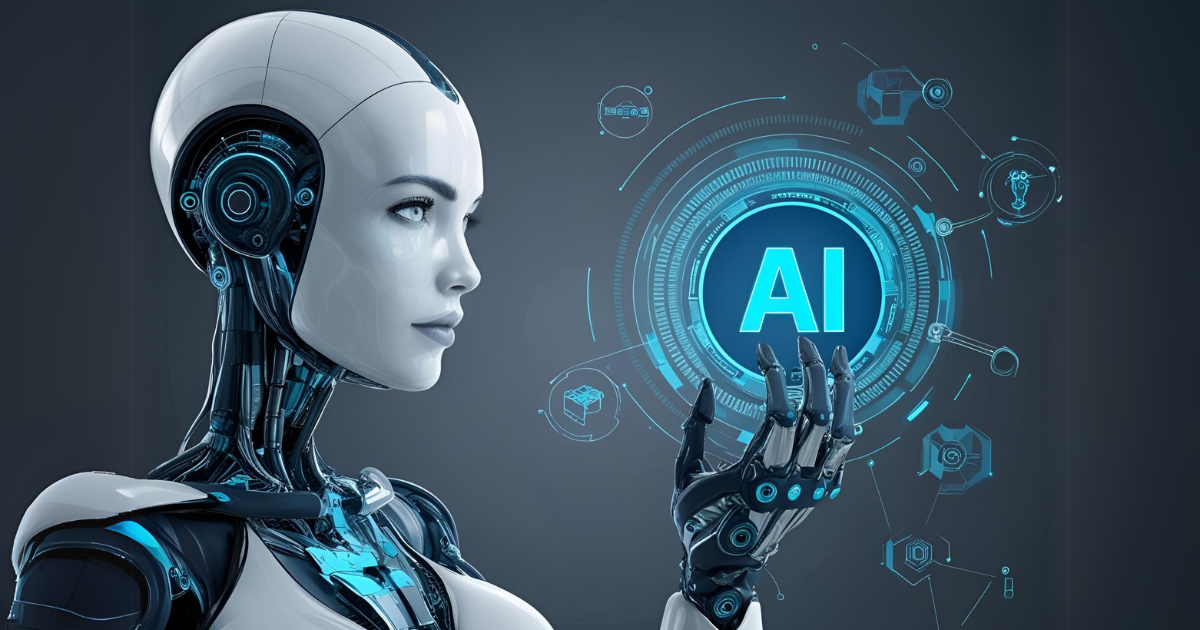
Agentic AI: The Next Leap in Business Automation


Artificial Intelligence is evolving rapidly. The new frontier is not just smarter tools, but systems that act autonomously, making decisions, executing tasks, and adapting to change without continuous human oversight. Welcome to the era of Agentic AI.

What is Agentic AI?
Agentic AI refers to AI systems that are capable of planning, reasoning, learning from memory, and dynamically adjusting behavior to meet evolving goals—similar to a human agent. These systems can perform tasks from start to finish with minimal or no human input.

Business Applications

  • Customer Service: AI agents that handle queries, troubleshoot problems, and even escalate when needed.
  • Data Analysis: Autonomous systems that explore large datasets, identify trends, and generate actionable insights.
  • Software Development: Tools like GitHub Copilot Reviewer or CodeRabbit already assist developers by reviewing and proposing code autonomously.

Benefits for IT Operations

  • Faster task execution and reduced operational costs
  • Scalable automation across departments
  • Proactive problem solving and continuous optimization

Key Considerations
While Agentic AI promises significant gains in productivity and cost-efficiency, it also raises concerns:

  • Job displacement in roles like support, testing, and entry-level development
  • Need for robust AI governance platforms to ensure transparency, compliance, and ethical decision-making
  • Risk of over-reliance without human validation

Conclusion
Agentic AI will redefine how companies approach IT service delivery. As businesses move toward greater automation, the ones that prepare now with structured adoption strategies will gain a decisive edge.